

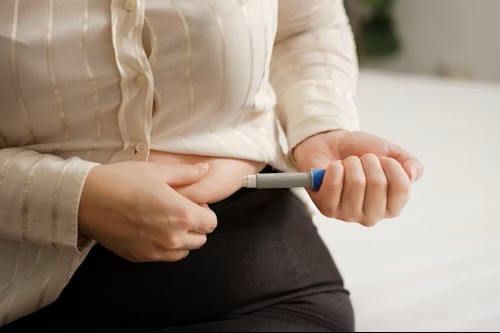
Why GLP-1 Medications Are Only Part of the Solution
GLP-1 (glucagon-like peptide-1) medications are getting a lot of attention right now. They’re being talked about as a powerful solution for weight loss and blood sugar control, and for many people, they do create impressive results. Appetite goes down, food noise lessens, weight comes off, and blood sugar becomes easier to manage. On the surface, it can feel like a long-awaited answer.
But there’s an important part of this conversation that often gets missed.
If you’re considering a GLP-1 medication, or are already taking one, it’s important to understand that no intervention, no matter how effective, will be successful long-term if the foundation underneath it isn’t solid. These medications can absolutely be helpful, even life-changing for some people, but they don’t replace the basic needs of the body. Without those in place, most approaches to weight loss and metabolic health tend to work in the short term, but not in a way that’s sustainable. They can even cause long-term health issues.
Why the Foundation Comes First
When we talk about improving metabolism, balancing blood sugar, or losing weight, it’s easy to focus on what to take or what to try next. But long-term success depends more on the environment you create within your body than on any single method you choose.
That foundation includes consistently supporting gut health, eating nutrient-dense foods, moving your body in a way that supports strength and muscle, getting adequate sleep, managing stress, and supporting the body’s natural detoxification processes. These aren’t flashy interventions, but they are the systems that allow your body to regulate itself effectively.
When these pieces are not in place, even the most powerful tools tend to fall short over time. The body may respond initially, but without the support it needs, it struggles to maintain those changes.
Your Gut: The Starting Point Most People Overlook
GLP-1 is not just a medication—it’s a hormone your body naturally produces. It’s made in both the gut and the brain, along with several other hormones that regulate hunger, fullness, and metabolism. When your digestive system is functioning well, these signals work together to help you feel appropriately hungry, appropriately full, and metabolically balanced.
Before considering a medication that alters appetite and blood sugar, it’s worth asking a more foundational question: Is your body producing enough of its own GLP-1 hormone? And if not, why not?
Many people are starting from a place where gut health is already compromised. Poor digestion, inadequate nutrient absorption, chronic inflammation, food sensitivities, and imbalances in gut bacteria or yeast can all interfere with how well this system works. These issues can damage the gut lining, which is where many of these hunger hormones are produced, including GLP-1.
Taking a GLP-1 medication doesn’t repair that system. It bypasses it. And if the underlying environment is already strained, the experience of taking the medication can feel more intense and less supportive.
Support Your Body Before Starting a Medication
Before turning to a medication that takes over part of your body’s natural regulatory system, it makes sense to support that system first. For some people, dialing in these foundational habits alone creates significant improvements in appetite, blood sugar, and weight.
Optimize Nutrition
Having healthy eating habits in place before considering a GLP-1 agonist is key to having success if you decide to take it. What, how and when you eat is the most foundational element of blood sugar management. Balanced meals that include protein, healthy fats, and fiber help stabilize blood sugar and naturally promote satiety. There are also additional dietary strategies that work for weight loss and blood sugar control in some people, including intermittent fasting and the ketogenic diet. However, it’s important to approach these under the care of a practitioner.
Focus on Daily Exercise
Regular movement, especially strength training, improves how the body uses glucose and helps maintain muscle mass. In fact, moderate to high intensity exercise increases your own GLP-1 production.
Support Restorative Sleep
Regulated circadian rhythms and restorative sleep support GLP-1 production, whereas sleep deprivation can inhibit or delay GLP-1 production. Getting adequate restorative sleep can often be the missing piece when addressing blood sugar and weight loss.
Stress Management and the Nervous System
It’s important to remember that GLP-1 is produced in the brain as well as the gut. That means your nervous system plays a meaningful role in how your body regulates appetite and metabolism. Chronic stress, unresolved emotional strain, and a constantly activated “fight or flight” response can disrupt digestion, alter hormone signaling, and change how your body perceives hunger and fullness. Even with the best nutrition plan, if the nervous system is dysregulated, the body often struggles to find balance.
Detoxification
Carrying a toxic burden can sabotage the body’s ability to regulate blood sugar and weight. When the body’s detoxification systems are overloaded, toxins are often stored in fat tissue until they can be safely released. Supporting the body’s detoxification processes and being intentional about removing toxins from the environment assists in improving metabolism.
Are There Supplements that Mimic or Support GLP-1 Production?
Additional strategies can be considered after foundational habits have been addressed. Then certain supplements can be considered for additional support. New Zealand bitter hops have been shown to directly activate GLP-1 production. Specific probiotic strains indirectly support the body’s natural production of GLP-1 by improving the health of the gut environment. Additional nutraceutical compounds purport to support GLP-1 production, but currently don’t have much scientific support. Many nutrients support metabolic health in varied ways and can be found in supplement blends. A nutrition practitioner can help you determine the best choice for you.
Beyond that, foundational nutrients that support optimal digestion and healthy gut lining help to create an internal environment where GLP-1 is naturally made more effectively. The need for these vary individually, but may include digestive aids, amino acids, omega fatty acids, vitamins, minerals, fiber and electrolytes.
None of these act as a replacement for medication, but they do help the body work the way it was designed to.
What You Need to Know if You Decide to Take a GLP-1 Medication
If you choose to use a GLP-1 medication, it’s helpful to understand what the medication is doing in the body. GLP-1 medications essentially take over your own production of GLP-1, with the following results:
Blood Sugar Control: Stimulates the release of insulin from the pancreas when blood sugar levels start to elevate. Insulin lowers blood sugar by transporting glucose from the blood into the cells. This helps prevent blood sugar spikes after meals.
Suppressed Appetite: Acts on the brain’s appetite centers to promote a feeling of fullness and satiety. This causes a person to eat fewer calories overall, promoting weight loss.
Slowed Gastric Emptying: Slows down the rate at which the contents of the stomach empty into the small intestine. This affects the rate at which carbohydrates are broken down and absorbed into the bloodstream, decreasing the post-meal rise in blood sugar levels.
Slowed Digestion and Absorption: Slows down digestion and absorption of carbohydrates, preventing spikes in blood sugar levels.
Suppressed Glucagon Release: Glucagon is a hormone that signals the liver to release stored glucose into the bloodstream. Suppressing glucagon release prevents excess glucose production and elevated blood sugar.
Together, these effects can lead to improved blood sugar control, reduced calorie intake, and weight loss.
Rethinking “Side Effects”
Many people are warned about side effects such as nausea, digestive changes, bloating, reflux, constipation, or dehydration. A significant portion of people taking these medications experience some level of these symptoms.
It’s more accurate to think of these not simply as side effects, but as expected effects. They are a direct result of how the medication is working in the body. Slower digestion, reduced appetite, and changes in gut signaling naturally come with physical sensations.
In many cases, these symptoms can be minimized by starting with a lower dose and increasing gradually, along with making thoughtful dietary adjustments. Still, it’s important for individuals to recognize when their body is tolerating the medication well and when it may be signaling the need to adjust.
Where Problems Can Arise
The biggest concern is not necessarily the medication itself, but how it is used. When someone begins a GLP-1 without addressing underlying gut health, nutrition, and lifestyle factors, the medication is doing all the work while the root issues remain untouched.
This becomes especially important when thinking about what happens later. If the foundational habits haven’t changed, the body tends to return to its previous patterns once the medication is stopped. Hunger signals come back, old habits resurface, and weight regain is common.
In that sense, the medication hasn’t failed—it simply wasn’t supported by the systems needed to sustain the result.
Nutrient Deficiencies: An Important and Overlooked Piece
One of the more concerning aspects of GLP-1 use is the potential for nutrient deficiencies consistent with malnourishment. When appetite is significantly reduced, people often eat and drink much less than they realize. Prescribers don’t always provide counseling about how to eat when taking the medication, or give vague information about eating protein. Inadequate hydration, protein, fatty acids, vitamins and minerals can lead to fatigue, hair loss, muscle weakness, dizziness, and brain fog.
Over time, undernourishment can lead to a loss of lean muscle mass, a slower metabolism, reduced strength, and even bone loss. It’s not just about weight loss—it’s about what kind of weight is being lost.
This is not inevitable, but it does require intention. Prioritizing protein becomes essential, even when hunger is low. Strength training is equally important, as it signals the body to preserve and build muscle. Without these efforts, weight loss can come at a cost. Muscle is metabolically active, and when muscle mass is lost, the body is less metabolically active after coming off the medication and requires fewer calories to maintain weight.
Is There a Path Off of GLP-1 medications?
For those who choose to use a GLP-1, an important question is whether there is a way to eventually come off the medication and maintain the results.
The answer is yes, but it requires preparation. A strong nutritional foundation, a healthy digestive system, consistent strength training, and attention to stress and sleep all play a role. When these pieces are in place, the body is better equipped to regulate itself again after coming off the medication. Without them, coming off the medication can feel like starting over.
A Supportive Approach GLP-1s
GLP-1 medications are not inherently good or bad. They are tools. Like any tool, their effectiveness depends on how they are used. The most supportive approach is to build the foundation first, support the body’s natural systems, and explore nutritional and supplemental strategies. If metabolic challenges still persist, then using a GLP-1 medication under the care of practitioners who also prioritize diet and lifestyle can be a reasonable next step. The key is continuing to support the body throughout the process, rather than relying on the medication alone.
If you’re considering starting a GLP-1 medication, or if you’re already taking one and want more support, Live Bright Nutrition can get you started on the path to optimizing your foundation to ensure your greatest success. Set up a complimentary discovery call to learn how we can help set you up for success.