
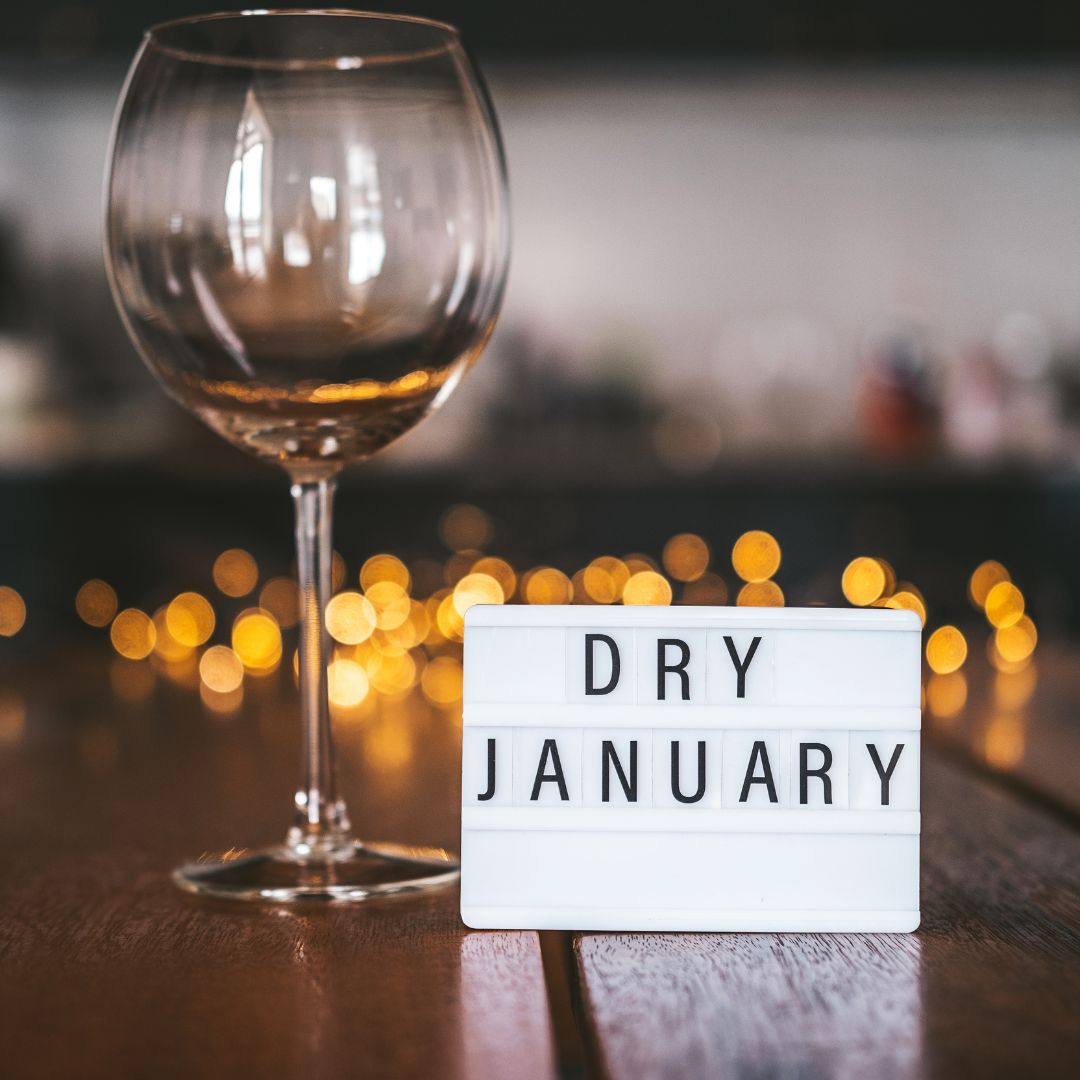
The Power of a Dry January Reset
For many people, drinking alcohol feels almost built into daily life. A glass of wine at the end of a long day. A cocktail when meeting friends. A beer while making dinner or watching a game. Alcohol is deeply embedded in our culture, our routines, and often in how we manage stress or unwind.
Because of this, the idea of not drinking, especially in situations where you usually would, can feel unexpectedly challenging. Even without heavy or problematic drinking, alcohol can quietly become a habit. And once a habit is established, shifting it can take more effort than we expect.
Dry January creates a natural pause point. It offers space to step back and observe your relationship with alcohol, without judgment and without any requirement that the change be permanent.
How Drinking Becomes a Habit
Alcohol habits usually develop on several levels at once: social, psychological, and sometimes physical.
From a social standpoint, alcohol is often linked to belonging and connection. Celebrations, dinners, holidays, work events, and casual gatherings frequently revolve around drinks. Choosing not to participate can feel uncomfortable or isolating, as though you’re stepping outside the norm.
On a psychological level, alcohol is often used as a coping tool. People turn to it to relax, ease stress, quiet busy thoughts, feel more at ease socially, or mark the end of the day. Over time, the brain begins to associate alcohol with relief, comfort, or reward.
Physically, while not everyone develops a chemical dependence, regular drinking can still create a sense of reliance. The nervous system adapts to the routine, and when alcohol is removed, you may notice feelings of restlessness, irritability, or unease.
Together, these layers can make alcohol feel dependable, even when you’re starting to wonder whether it’s still helping.
Why Stopping Can Feel So Difficult
If you’ve ever thought, “I should probably cut back,” but then felt resistance when the moment arrived, you’re far from alone.
Habits are closely tied to patterns and cues. Certain times of day, emotional states, environments, or social settings can automatically trigger the desire for a drink. When alcohol is taken out of those moments, it can leave a noticeable gap. That discomfort isn’t a personal failing—it simply reflects how well the habit has been reinforced.
For some, drinking begins to feel like a “monkey on your back”—not something you actively want, but something that feels hard to set down.
How Alcohol Affects the Body
From a biological perspective, alcohol is treated by the body as a toxin. Once you drink, your liver immediately shifts into detox mode, prioritizing the breakdown of alcohol over many of its other essential tasks.
This is significant because the liver plays a central role in blood sugar regulation, hormone balance, fat metabolism, digestion, and detoxification of environmental chemicals. When alcohol is present, those functions temporarily take a back seat.
Even moderate drinking can lead to lingering effects such as:
- Poor sleep quality, including night-time waking
- Dehydration and headaches due to fluid and electrolyte loss
- Digestive discomfort from gut irritation
- Blood sugar fluctuations that contribute to fatigue, cravings, and mood changes
- Increased inflammation over time
Because these effects build gradually, it’s easy not to connect them to alcohol use right away.
What Current Research Is Showing
For many years, alcohol in small amounts was often viewed as potentially beneficial for health, especially when it came to heart disease. This belief became widely accepted and shaped how many people thought about moderate drinking.
However, more recent research has drawn a clearer connection between alcohol and cancer risk. When alcohol is metabolized, it produces compounds that can damage cells and DNA, increasing cancer risk over time. Importantly, this risk appears to exist even at low or moderate levels of intake.
As a result, many public health experts now agree that there is no truly “safe” level of alcohol consumption. This makes initiatives like Dry January more than just a trend—they offer a meaningful opportunity to support long-term health.
Why Dry January Can Be Transformative
Dry January isn’t about restriction or getting things “right.” It’s about experimentation.
Removing alcohol for a period of time allows both the body and mind to reset. Many people are surprised by the changes they notice, including:
- Clearer thinking and sharper focus
- More even energy levels
- Improved digestion
- Fewer blood sugar swings and cravings
- Better, deeper sleep
- A sense of confidence and self-trust
- Financial savings
Perhaps most valuable of all is the awareness that develops. A break makes it easier to notice when the urge to drink arises—and how it feels to choose something different.
Practical Tips for a Successful Dry January
Approaching Dry January with intention can make it feel more manageable and even enjoyable. Planning ahead for situations where you typically drink can make a big difference.
Notice your patterns
Pay attention to when you usually reach for a drink. Is it tied to the end of the workday, social events, stress, boredom, or certain emotions? Awareness lays the foundation for change.
Create easy swaps
Rather than focusing on what you’re skipping, decide what you’ll enjoy instead. The ritual often matters just as much as the beverage. Options include:
- Mocktails made with citrus, herbs, or alcohol-free bitters
- Sparkling water or seltzer
- Herbal teas
- Infused water with berries or cucumber
Support blood sugar
Low blood sugar can intensify cravings. Eating regular meals and snacks that include protein, healthy fats, and complex carbohydrates can help reduce the urge to drink.
Have gentle distractions ready
When a craving shows up, shifting your focus can help. Most urges pass within 10–20 minutes. Try:
- Taking a walk
- Reading or journaling
- Stretching or going to the gym
- Deep breathing
- A shower or bath
Do it with a friend
Joining forces with a friend, partner, or group can add accountability and make the experience more enjoyable.
Practice self-compassion
This is about learning, not willpower. If something feels hard, it’s simply information—not a failure.
A Pause, Not a Promise
Dry January doesn’t have to mean giving up alcohol forever. For some people, it leads to long-term change. For others, it results in a more mindful, intentional approach to drinking.
Either way, taking a break can offer valuable insight into your habits, your health, and what genuinely helps you feel your best. Sometimes, the most meaningful shift begins with nothing more than pressing pause.