
Healthy School Lunches Kids Will Love
The school year is back in full swing! Those first couple of weeks often start with enthusiasm and the best of intentions, especially when it comes to packing healthy lunches. But once the morning rush takes over, it’s easy to fall back on the convenience of packing a handful of snacks instead of a real meal. Still, with the demands of schoolwork, sports, and after-school activities, kids need steady energy and solid nutrition to thrive.
How do we give them the fuel they need to succeed?
The Cafeteria Option
Buying school lunches is certainly convenient, and many parents lean on it from time to time. While cafeteria meals meet basic nutrition standards, they’re not necessarily designed with maximum brain power, long-lasting energy, or nutrient density in mind. And unfortunately, much of that food ends up in the trash.
When you pack lunch from home, you have the opportunity to set higher standards for nutrition, help your kids broaden their food preferences, and teach them how to make balanced meals. Lunch is one of the most important meals of the day—it makes up about a third of daily nutrition and is scheduled when kids need brainpower and stamina the most. That may sound like a lot of pressure, but with a little planning, it doesn’t have to be stressful.
Rethinking Lunch Foods
One mindset shift makes a big difference – rethinking “breakfast food” or “lunch food.” Many traditional choices such as cereal, muffins, white bread, and chips are heavy in refined carbohydrates. These cause blood sugar spikes and crashes that leave kids tired, cranky, and hungry again too soon. Instead, the goal is balance.
What Makes a Balanced Lunch?
A healthy lunch should include all three macronutrients:
- Protein: Critical for growth, steady blood sugar, and keeping kids full until the next meal. Great options include hard-boiled eggs, chicken or turkey, tuna salad, beans, nuts, nut butter, organic tofu, or real cheese (skip the processed kind).
- Healthy fats: Essential for brain function and satiety. These include nuts and seeds, nut butters, avocados, olives, olive oil, grass-fed butter, or eggs.
- Complex carbohydrates: These are the body’s main energy source, ideally from unrefined whole foods. The best choices are vegetables, fruits, beans, and 100% whole grains. Aim for 2–3 servings of colorful produce in every lunch. Minimize refined flours, crackers, and added sugars.
Keeping It Fun and Interesting
Healthy doesn’t have to mean boring. Here are some ways to make lunches appealing:
- Add flavor: Pack dips, sauces, or dressings, and season foods with herbs and spices.
- Add color: A rainbow of fruits and vegetables keeps things lively.
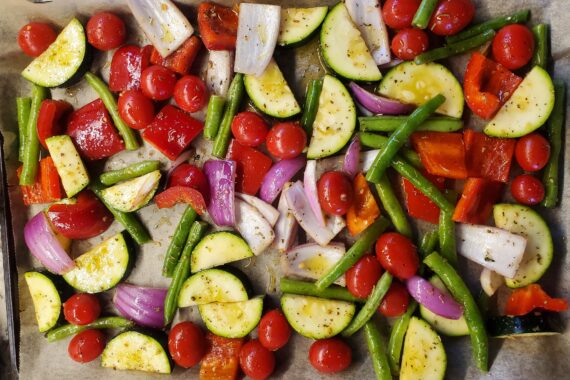
- Add crunch: Kids love crunch! Try whole-grain crackers (low sodium, no added sugar), sprouted seed cookies, seaweed snacks, or crisp veggies like carrots, cucumbers, celery, snap peas, and peppers.
- Add warmth: Soups, stews, or reheated leftovers stay cozy in a Thermos.
- Add a treat: Healthy desserts like chia pudding, chocolate avocado mousse, fruit, a square of dark chocolate, or a homemade cookie round out the meal.
Extra Tricks to Make Lunch a Success
- Get kids involved: Let them help pick out produce at the store or choose between two healthy options. Older kids can pack parts of their own lunches, giving them ownership and building independence.
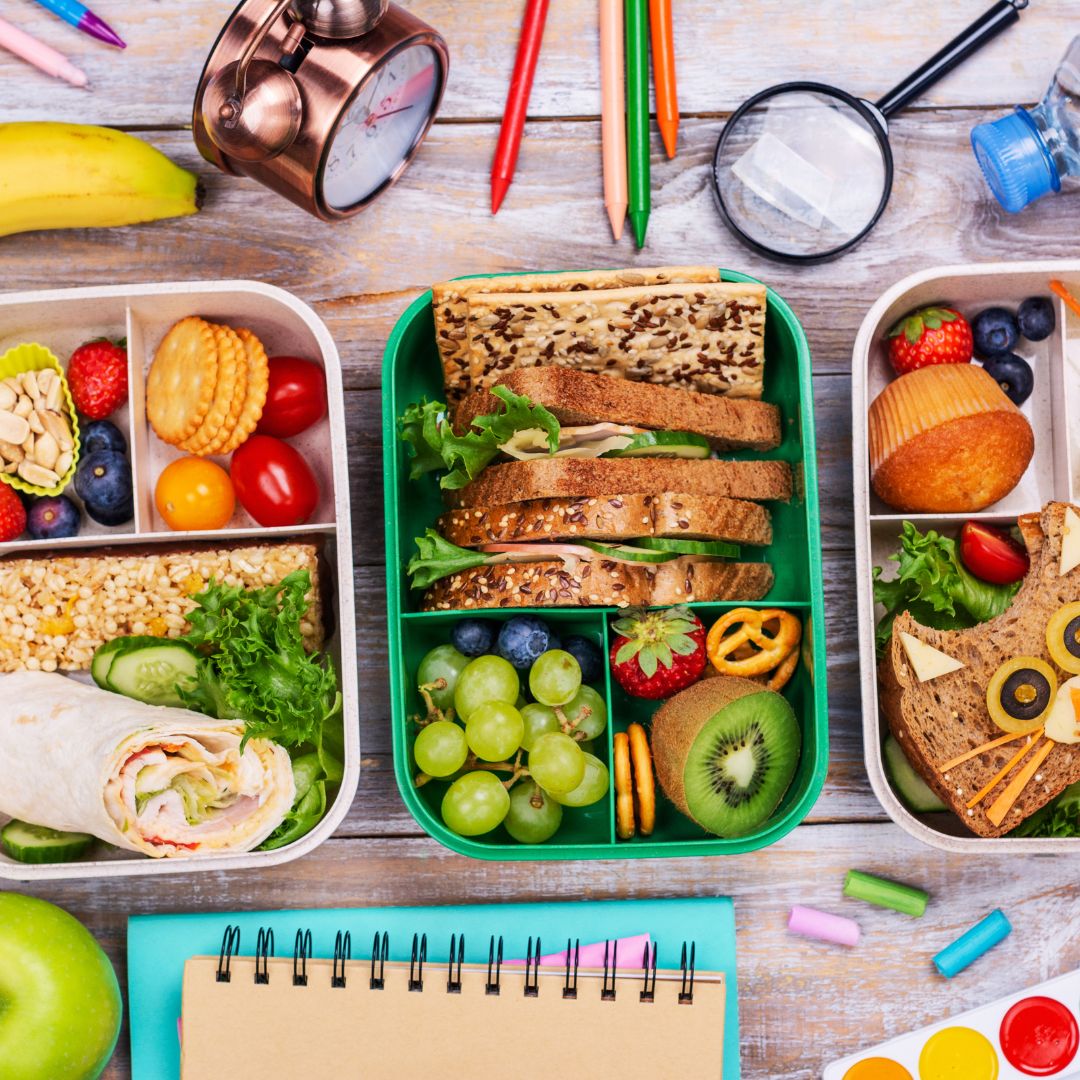
- Think outside the sandwich: Try roll-ups (turkey and cheese with veggies inside), DIY snack boxes with a mix of proteins and veggies, or even breakfast-for-lunch with overnight oats or waffles spread with nut butter.
- Prep once, use twice: Make extra dinner portions and turn them into next-day lunches. Chili, roasted chicken, or stir fry often taste even better the second time around.
- Portion smart: Small containers or silicone muffin liners make foods fun and approachable while keeping portions just right.
- Keep it simple: You don’t need a Pinterest-worthy masterpiece every day. Rotate a handful of core favorites your kids love, and slip in new foods gradually.
- Don’t forget hydration: Water is the best choice. If plain water is a tough sell, add fruit slices or a splash of juice to sparkling water for a fun twist.
- Make it fun: Use sandwich cutters for shapes, add a note or sticker, or tuck in a fun fact to brighten their day.
Tips For Making It Easier
Consistency comes down to preparation:
- Plan ahead: Don’t just meal plan for dinners—map out breakfasts and lunches, too. Write a menu, make a list, and shop once for the week.
- Batch prep: Use part of Sunday to boil eggs, cook meat or beans, chop veggies, and portion snacks. Having grab-and-go items on hand makes mornings smoother.
- Pack at night: Get containers filled the evening before, so mornings aren’t a scramble.
Choosing the Right Containers
The right container for lunches makes all the difference. Bento-style boxes with compartments keep foods organized and appealing. Small individual containers work well inside a larger lunchbox. Add a cold pack to keep food fresh, or a small Thermos for warm meals. Stainless steel and other eco-friendly options are durable and safe. Let kids pick designs they love—just like backpacks, lunchboxes can show off their personality.
Now you have a wide range of ideas to keep lunches healthy, balanced, and exciting—without the stress. A little planning and creativity go a long way toward fueling your kids’ bodies and brains for their busy school days.

